
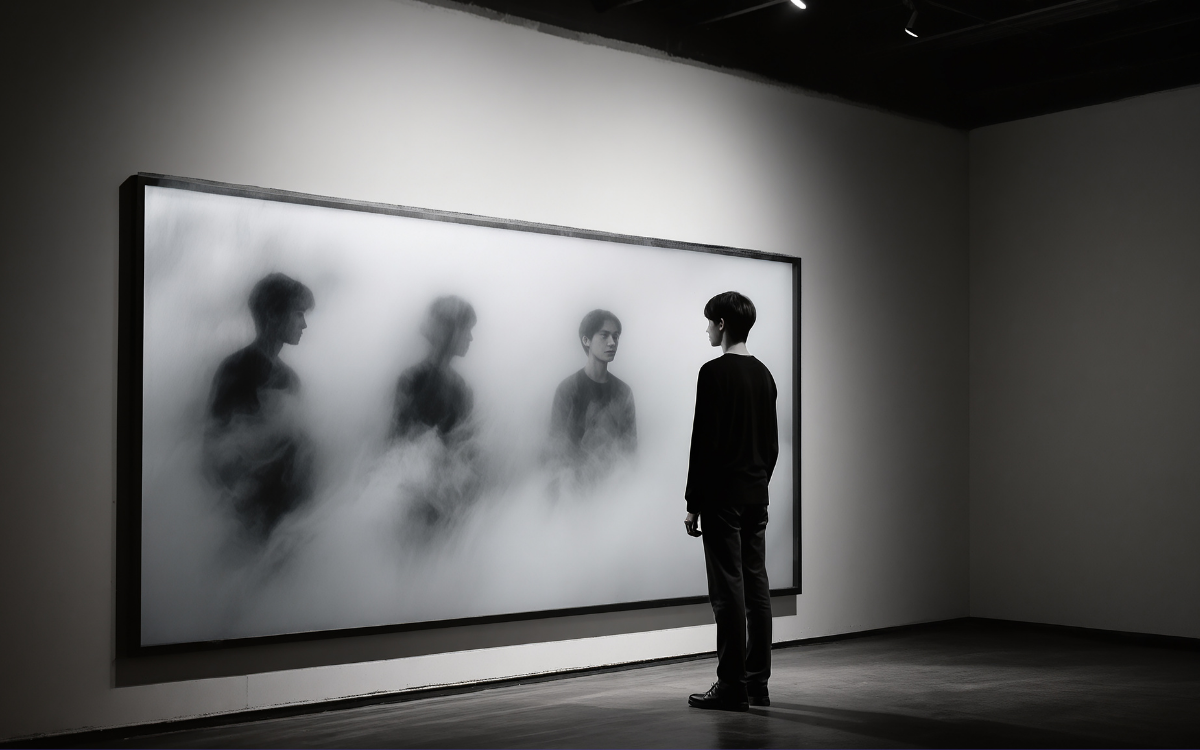
In today's world, we talk a lot about inclusivity. But here's the real question: are we actually creating spaces where everyone can participate, or are we just making room for people to watch from the sidelines?
The arts have always been powerful. They give us ways to express ourselves, connect with others, and make sense of the world around us. But for young people with intellectual disabilities, getting into creative spaces, whether as artists, performers, or even just engaged audience members, often feels like trying to open a door that's locked from the inside.
That's where the Artistic Minds initiative comes in. Co-funded by the European Union and launched across six countries, this project isn't just about checking boxes or making things look good on paper. It's about rethinking what participation actually means in the arts and the Cultural and Creative Sector.
Why Accessibility Matters More Than We Think
When we keep talented people out of creative industries, we're not just being unfair; we're making our culture smaller and less interesting. Young people with intellectual disabilities bring perspectives, ideas, and creative energy that we desperately need. But they often face barriers that have nothing to do with their abilities and everything to do with how we've set things up. Accessibility isn't charity. It's about recognizing that when we design spaces, tools, and opportunities with everyone in mind, we all benefit. The cultural sector gets richer, more diverse, and more innovative. Communities get stronger. And young artists who might have been overlooked finally get the chance to show what they can do.
Learning Together, Growing Together
Real change doesn't happen in isolation. Through study visits, workshops, and focus groups, over 200 professionals have come together to enrich this work with knowledge and expertise. Educators, mental health professionals, social workers, artists, and cultural sector experts are building networks and finding new ways to collaborate. This kind of peer learning is powerful because it's honest. It acknowledges that nobody has all the answers, but together we can figure things out.
Technology as a Bridge, Not a Barrier
Here's something interesting: technology often gets blamed for making things more complicated, but it can actually be a great equalizer. The team behind this effort is developing digital tools, like an online mapping platform, that help people find resources, connect with opportunities, and access creative spaces in ways that work for them. The key is using technology thoughtfully. It's not about throwing apps and gadgets at a problem and hoping something sticks. It's about understanding what young artists with intellectual disabilities actually need and then building tools that match those needs.
Rethinking What Success Means
True inclusion shifts something fundamental in how cultural spaces operate. When a young person with an intellectual disability first enters the Culture and Creative sector, the question shouldn't be "how do we accommodate them?" but rather "what are they bringing to the table?" This flip in perspective changes everything, from how we design programs to who gets to decide what counts as art in the first place.
The creative industries have always claimed to value fresh perspectives and unconventional thinking. Yet they've systematically overlooked an entire group of artists whose ways of seeing and expressing could push boundaries in ways we haven't even imagined yet. The loss isn't just theirs, it's ours. When gatekeepers finally recognize this, entire sectors start to evolve.
And here's what often gets missed in conversations about accessibility: communities don't just become more inclusive when everyone participates, they become more creative, more resilient, more human. Shared cultural experiences have always been how we build connections across differences. When we expand who gets to create those experiences, we're not just being fair. We're making our collective cultural life deeper and more interesting for everyone involved.
This article draws on the work of the Artistic Minds Project (101173645), co-funded by the Creative Europe Programme of the European Union, which supports inclusive participation in the arts for young people with intellectual disabilities through digital and social innovation.