
Why do so many climate workshops start with data, when the people in the room have decades of weather, seasons, and change stored in memory already?
What follows is less a curriculum than a set of working habits: things that hold up across a single afternoon session or a longer series, for anyone facilitating climate conversations with older adults, whether through art, care work, or community organising. None of it requires participants to already care about climate change. It just requires a way in.
Start with Trust, Not Topic
The strongest sessions rarely open with climate science. They open with something familiar, a garden, a childhood walk to school, the first snowfall of the year, and let the environmental thread emerge from there rather than being announced upfront. Emotional safety matters just as much: climate conversations can surface grief or anxiety, and the facilitator's job is to hold space for that, not resolve it. A simple closing question, "What stayed with you from today's conversation?", does more work than it seems to.
Participation also doesn't always look like speaking. Some participants engage by listening, or by helping arrange materials for three sessions before ever saying a word, and that's still real engagement, built at its own pace.
Let Art Carry What Facts Can't
Creative activity gives older adults a way to process environmental change through memory and imagination rather than statistics. A few formats hold up particularly well: memory-mapping a place from childhood and layering in how it's changed; keeping a weekly climate diary of small local observations; assembling found objects into a piece called "Things I Wish We Kept"; or writing letters to grandchildren or future generations about what's been seen and what's hoped for. What ties these together is that they let people arrive at the topic sideways, through something personal, rather than head-on.
Design for the Room You Actually Have
Not every group engages the same way, and the adaptations that matter, sensory prompts for memory or cognitive differences, audio instructions for limited literacy, permission for silence when a topic feels heavy, aren't a separate track bolted onto the "main" session. Built in from the start, they tend to make things better for everyone in the room, not just the people they were designed around.
Keep the Facts Human-Sized
When climate facts do come in, they land better paired with a question than delivered as a statement. "Have you noticed the trees blooming earlier?" does more than a statistic about shifting bloom dates ever could, because it hands the topic back to the person's own experience instead of asking them to absorb someone else's.
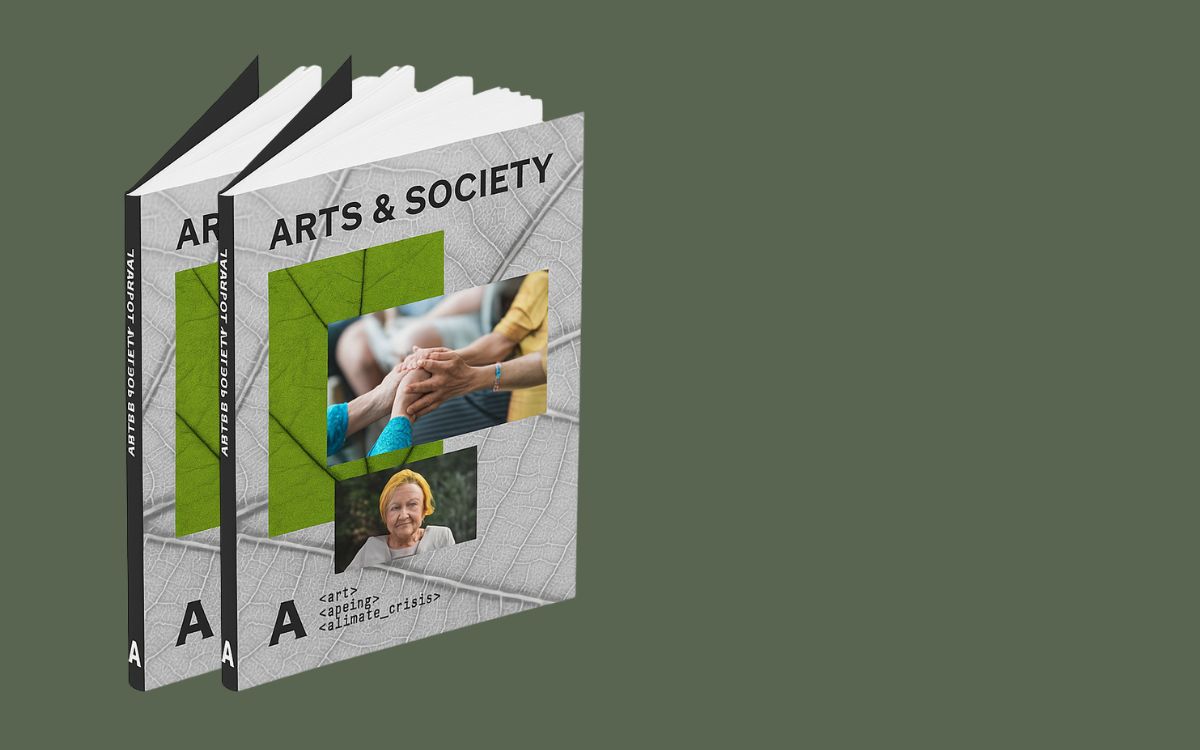
This guide is not about making perfect art or solving the climate crisis. It is about helping older adults feel connected, heard, and empowered through creativity, care, and community.
This guide is based on the completed Seniors Climate Action project, co-funded by the European Union under the Erasmus+ programme, and has been expanded to support professionals working with older adults through arts-based climate engagement.
If you have insights, stories, or creative work you'd like to share, or you're interested in developing something similar, get in touch, we'd love to imagine what's possible together.