
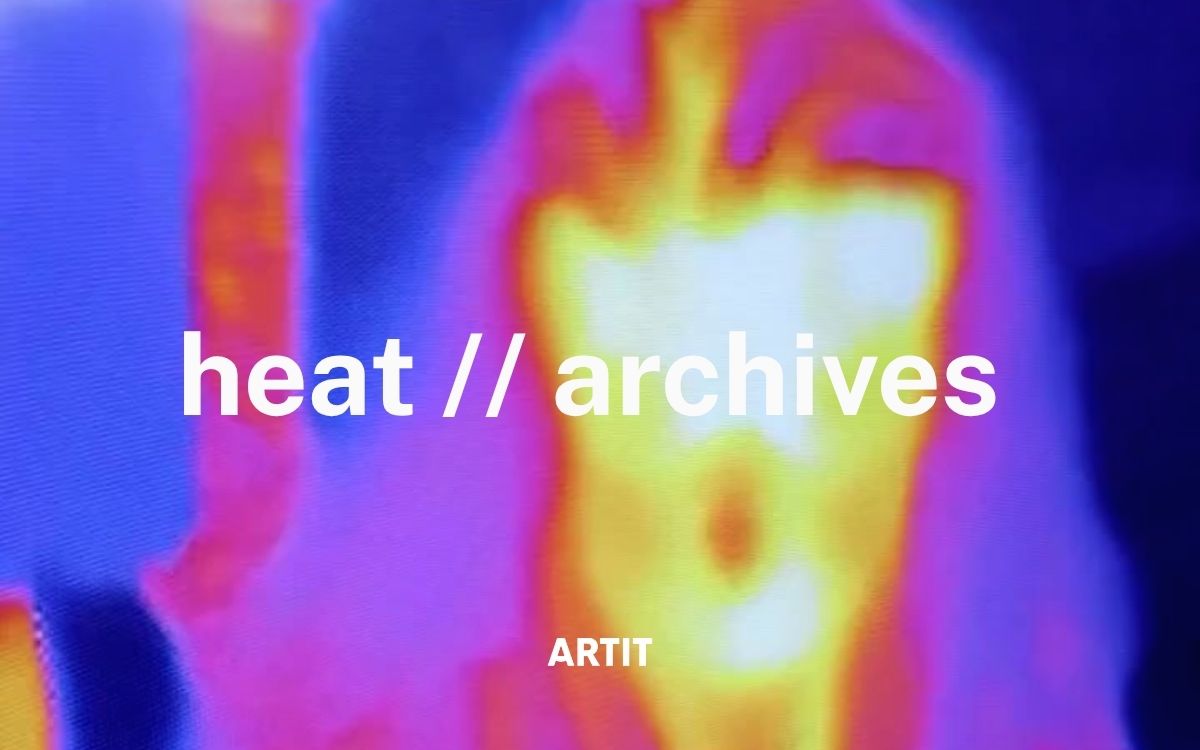
What does it mean to archive something that’s disappearing in real time?
That was the central question behind Artit’s first open call for the Curator’s Picks series, themed heat // archives.
Rather than seeking overt climate imagery or apocalyptic symbolism, we invited artists to explore the subtler, more personal dimensions of living through a warming world. The emotional, environmental, and material traces of change. What we received was a layered, nuanced body of work that reflects not only ecological tension but how that tension is felt: through grief, memory, tenderness, resistance, and reimaginings of place and time. Six artists — Sillygoose, Emma Boittiaux, Makafui, Damn True, Yaroslav Leonets, and Seth McBride — responded to our June 2025 open call with works that range from personal reflection to structural critique. What follows is a look into their contributions and the climate-charged questions they raise.
Heat as Mood, Memory, Material
Some artists approached heat not as a spectacle, but as a lingering condition; one that shapes how we look, remember, and relate.
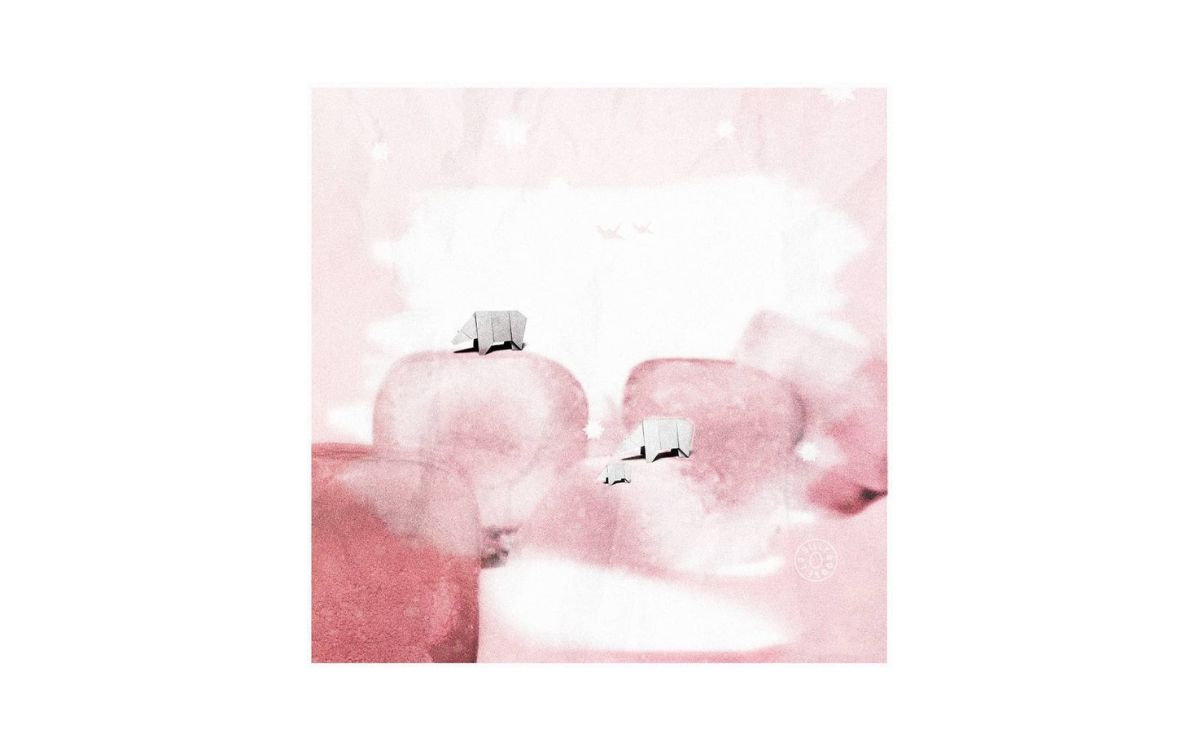
Sillygoose, Patience, 2024
“This piece is inspired by the silent resilience of nature and the quiet dignity with which nature absorbs destruction. The viewer is invited in for quiet reflection. The juxtaposition of origami polar bears and melting, abstracted ice evokes the tension between fragility and endurance. One might feel a sense of loss, tenderness, and perhaps guilt, to the point of questioning what it means to witness slow extinction with passive eyes. Digital collage allows me to create a dreamlike layering and symbolic control, and the choice of soft palette presents a deceptive calm. The snow in the form of ice cubes represents the artificial cause of calamity. The combination of the origami represents the fragility of life. This allows for creating a piece that evokes reflection at the dual role we play as destroyers and observers.”
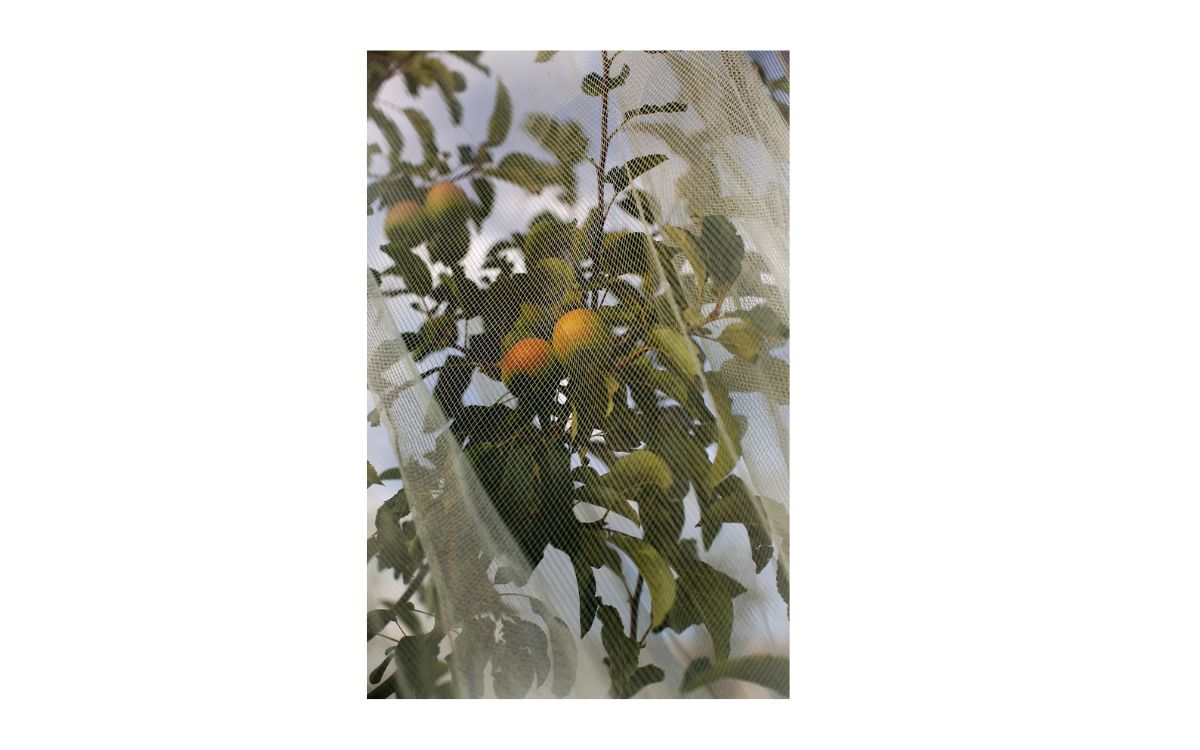
Emma Boittiaux, Do You Want One?, 2024
“This image is part of the series ‘Do You Want One?’ – a poetic exploration of eco-anxiety and the desire for motherhood in the Luberon region, South of France. It reflects the questions many in my generation face: ‘I want to be a mother, but should I?’ ‘How much is there left for the next generation?’ The protagonists of this series include my nieces, mother, and partner, wandering through the landscapes that once felt like a safe haven. As climate change’s impact becomes more evident, this place has transformed from a sanctuary to a source of anxiety. Here is an image of apple tree cultures and apricots in the region. A lot of farmers are struggling with the impact of climate change, disrupting the season and forcing them to adapt.”
Fire as Witness and Refusal
Other works bring us closer to the moments where heat takes the form of catastrophe, confrontation, or collapse.
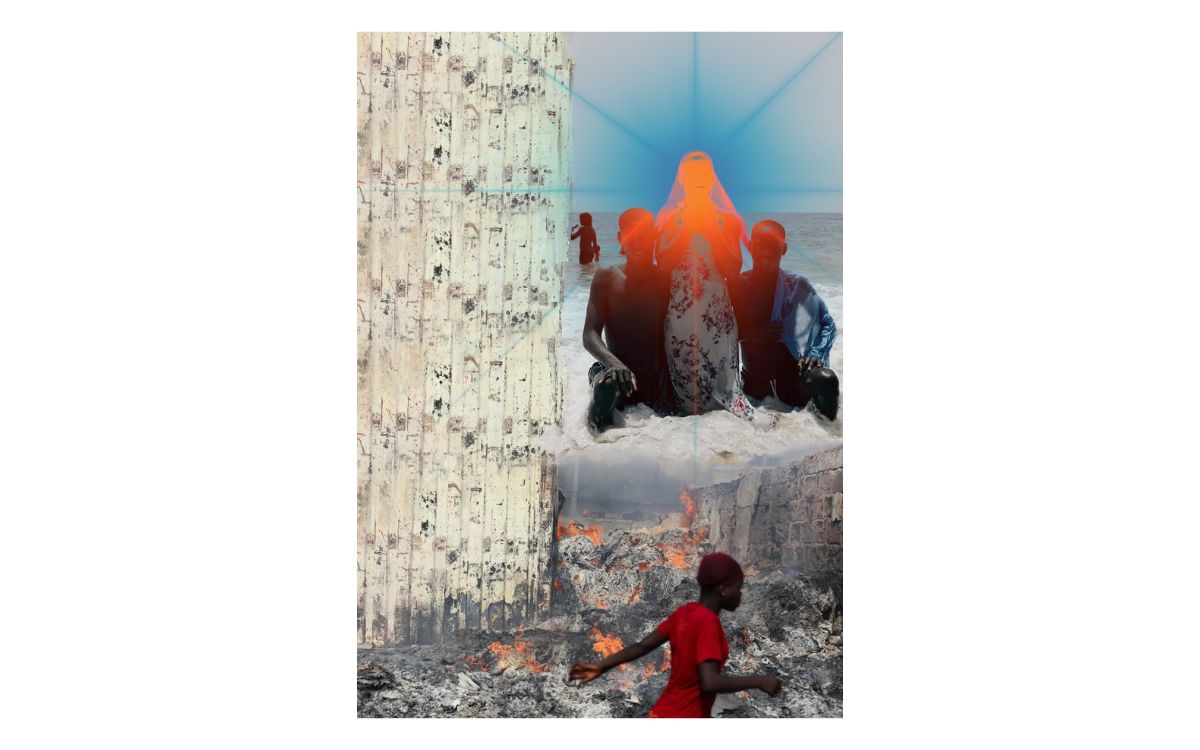
Makafui, I Will Die Your ɔba baa, 2025
“What has inspired this piece is Ghana's Kantamanto fire. The emotions that I wanted to evoke from this art piece were grief, solidarity and resilience. When I first heard of it was through a dearest friend, and the grief I felt lingered for a while, I guess it never really left. I turned it onto art because I do not own the privilege of not having a catastrophe so close to home just turn into an afterthought, and the redirection to my main goal: ‘give back to the motherland.’”
Makafui’s piece is not a depiction of disaster, but an emotional document. It holds the memory of loss alongside the imperative to respond. In this work, the archive serves as an act of refusing to let trauma be normalised or forgotten.
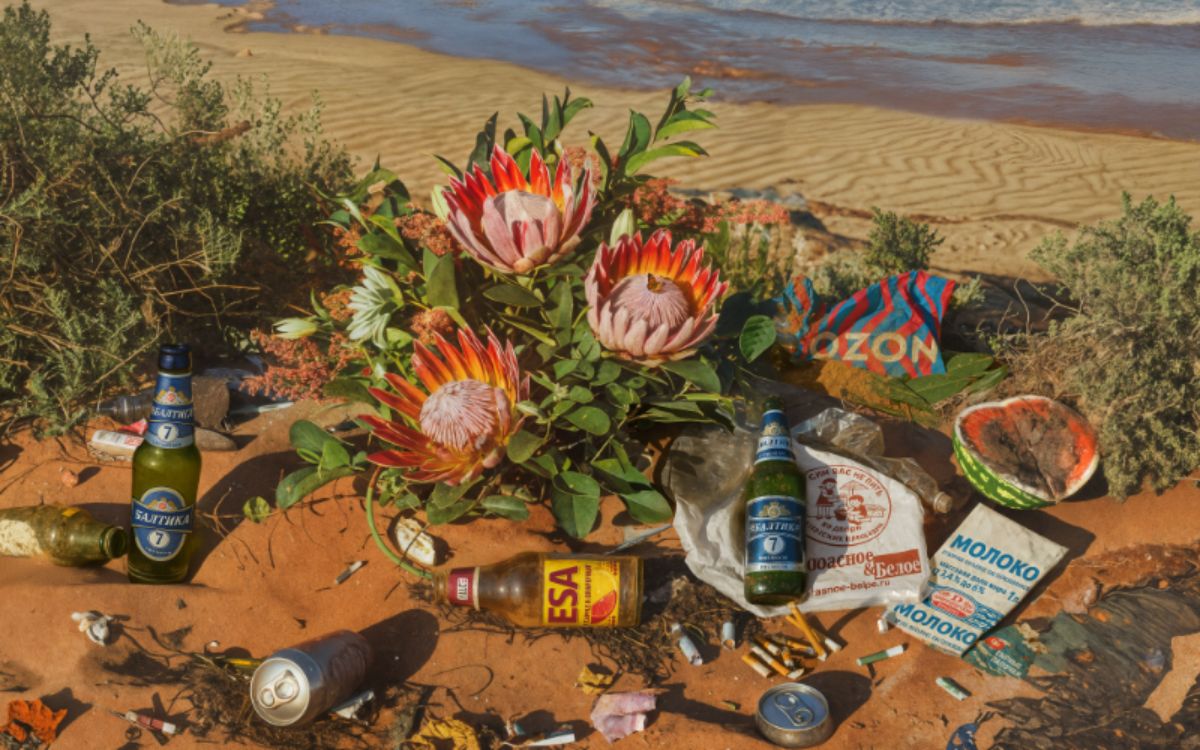
Damn True, Still Life of the Era of Rils and Discounts / No. 3
“Everything is bright, intense, festive — and at the same time destroyed, forgotten. Trash is like a relic. Flowers are like resistance.”
In Damn True’s work, beauty and waste coexist in sharp contradiction. The still life arrangement reflects a post-consumer landscape: discarded packaging, artificial colour, and floral remains. It reads like an elegy disguised as a celebration — or the afterimage of a ritual no longer understood.
Systems, Cycles, and Silences
A third group of works zooms out to look at the larger systems: biological, ecological, philosophical, that shape how heat moves through bodies and worlds.
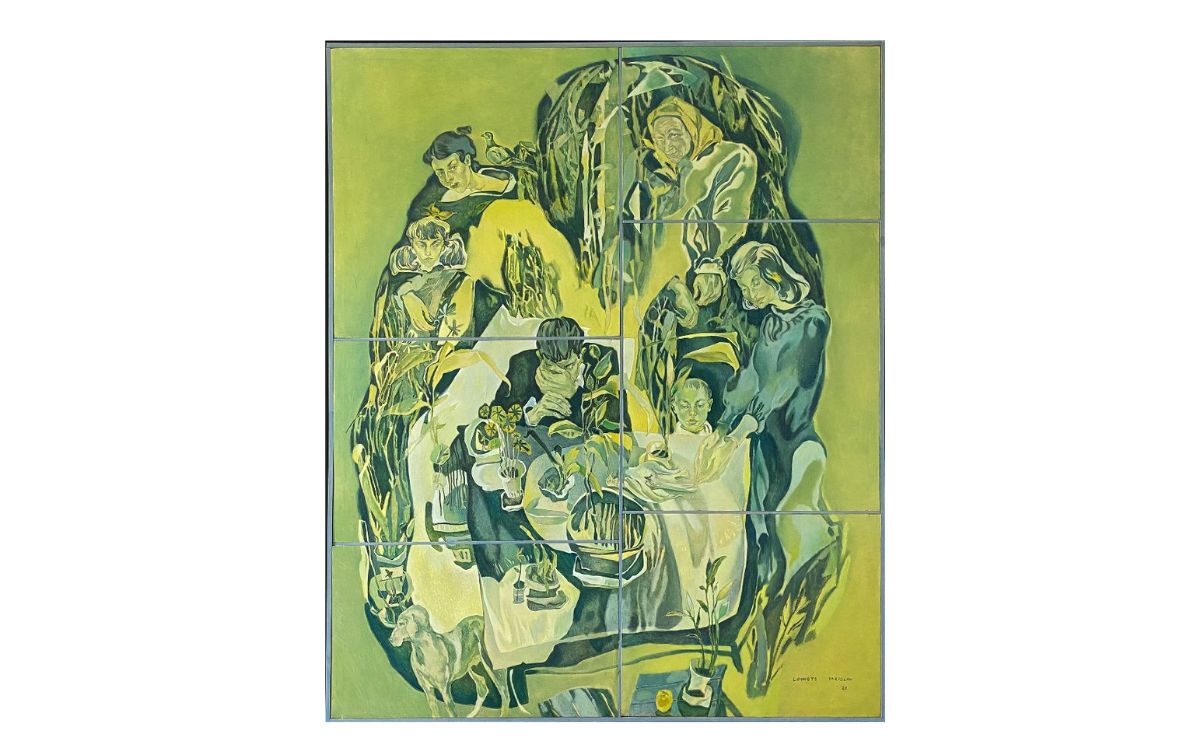
Yaroslav Leonets, Connect, 2021
“First of all, I turn to the image of the family and I want to draw your attention to certain patterns, repetitions and periodicity between certain life cycles. They exist in the life of every person. Age stages. These are birth, childhood, youth, old age and death. These stages are familiar to us. You may have noticed that in nature there are similar stages: birth, formation, flowering... and in the end, all the processes will be completed. You all know global problems, pollution of nature, destruction of many plants, deforestation, destruction of plankton, disappearance of a very large number of animals and more. It is possible to list long, and you can see very clearly how our planet is being destroyed. Each of us can relate to which stage they belong. In my opinion, not to be deceitful, I can attribute it to a kind of old age. The old age of the planet and nature in general. It is not clear how nature will live on with such pollution and destruction. And we humans are part of nature. The question is, how will our children, grandchildren live? What are their realities? And what will we leave them? The following is a kind of connection between man and nature; this is the main idea of the work. This connection is organic; it is built into our subconscious, and we perceive it as a given. In this work, it is presented as a large, round, all-encompassing spot that collects and intertwines everything. We all live on this big sphere, which is called the Earth, and no matter what the situation, no matter what we do, it is this connection that brings us together into a single, organic system that works perfectly, albeit dependent on our actions. That is, each of us makes a contribution to the future, whether we want to or not. And finally, although it is believed that man is the crown of creation of nature. I want to note that nature can live without man, and man without nature cannot.”
Leonets’ work reads as both cosmology and warning. Using visual metaphors of life cycles and planetary form, it offers a reminder that we are embedded in, not separate from, the ecological systems we’ve imperilled.
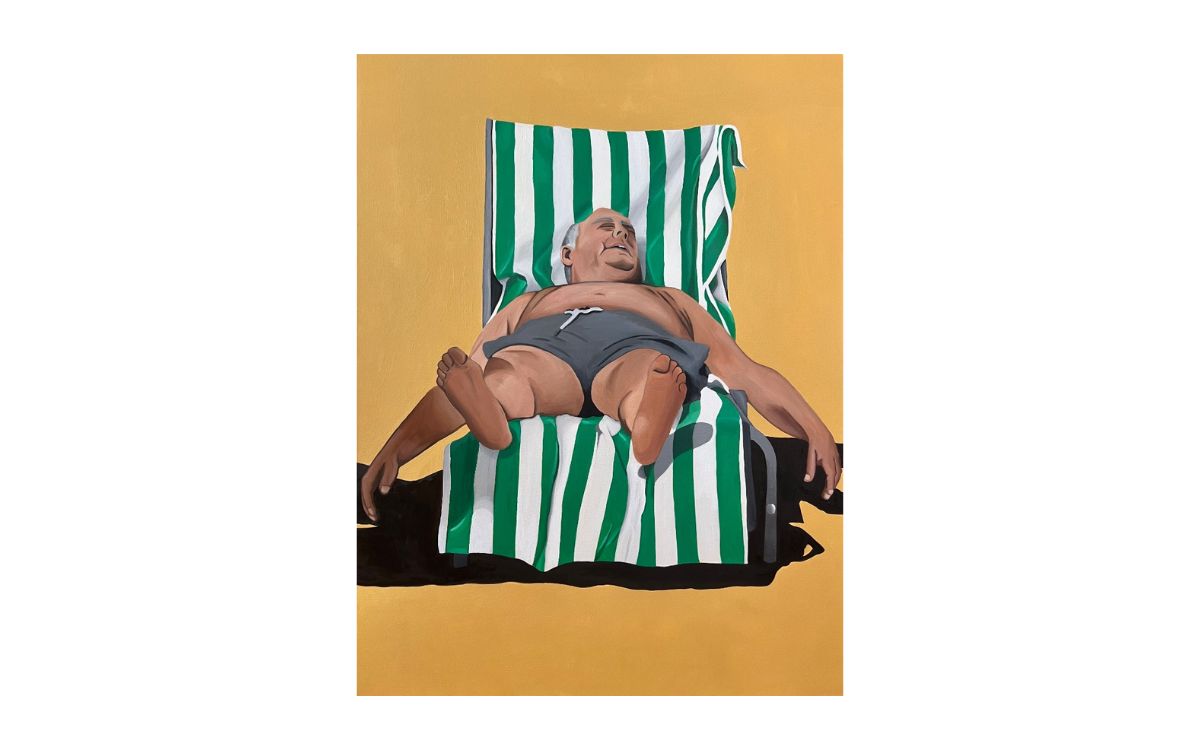
Seth McBride, Snoozin'
Without a written statement, the work speaks through its surface and stillness. Is this leisure, collapse, or quiet surrender? The absence of text invites projection. Perhaps the archive begins here — with embodiment, discomfort, and the unresolved tension between pleasure and pressure. In a collection shaped by memory and narrative, this piece holds space for the unknowable: the body as record, the heat as condition, the silence as entry point.
A First Entry in an Ongoing Archive
heat // archives isn’t a closed narrative. It’s a set of visual essays; emotional, regional, aesthetic, held together by a shared sense of urgency and attention. None of these artists offer solutions. Instead, they offer what art is uniquely positioned to provide: a space to hold, question, and remember what is being transformed, lost, or fought for.
This new series is about creating small archives of feeling and thought, and building a platform that reflects the range of ways contemporary artists are responding to the world.
We thank all the artists who submitted to this first open call.
The archive is open.